Coursera Review 2026: Do Online Certificates Actually Get You Hired?
The global job market in 2026 is more competitive than ever.
A traditional degree alone is no longer enough. Employers now want real, job-ready skills, not just theory.
That’s why millions of students are turning to platforms like Coursera.
But here’s the real question:
Do Coursera certificates actually help you get hired?
Let’s break it down honestly.
What Is Coursera & Why It’s Different
Coursera is not just another online course website.
Unlike open platforms, it partners with:
- Stanford University
- Yale University
- IBM
This means courses are created by universities + industry experts
Why This Matters
When you finish a course:
Your certificate shows real brand names
This increases trust with recruiters.
Learning Experience: Not Just Watching Videos
Many people think online learning is passive.
Coursera is different.
What You Actually Do
- Watch structured lessons
- Complete quizzes
- Submit assignments
- Join discussions
It feels like a real university course
Result
- Better understanding
- Higher retention
- Real skills (not just theory)
Professional Certificates (The Real Value)
The most valuable programs on Coursera are:
Professional Certificates
Popular Examples
- Google Data Analytics
- IBM Data Science
- Meta Front-End Developer
Why Employers Respect Them
These programs are designed by companies like:
- Meta
- Amazon Web Services
They teach real tools used in jobs
What You Learn
- SQL
- Python
- Data visualization
- Web development
These are job-ready skills
2026 Update: AI “Coursera Coach”
Coursera now includes an AI assistant called:
Coursera Coach
What It Does
- Summarizes lessons
- Explains difficult topics
- Helps debug code
Works like a private tutor
Biggest Problem: Peer Grading
Let’s be honest—this is a major downside.
How It Works
- Students grade each other
- Not professors
Issues
- Unfair grading
- Inconsistent feedback
Solution
- You can resubmit
- Report unfair reviews
Still a drawback, but manageable
Pricing Explained (Save Money)
1. Free Audit Mode
Hidden feature:
“Audit course”
You get:
- Videos
- Readings
But:
- No certificate
2. Monthly Subscription ($39–$49)
- Full access
- Certificate included
Faster completion = cheaper total cost
3. Coursera Plus ($399/year)
- Access to thousands of courses
- Best for serious learners
Financial Aid (Huge Advantage)
Coursera offers:
Free access through financial aid
How to Apply
- Write a short essay
- Explain your goals
- Wait ~15 days
Reality
Many students get approved
Do Employers Actually Care?
YES — But With Conditions
Coursera certificates help if:
- They are job-relevant
- You have practical skills
- You build a portfolio
NO — If:
- You only collect certificates
- You don’t practice skills
Certificates alone are not enough
Who Should Use Coursera?
Best For
- Career switchers
- Tech learners
- Students adding skills
- Job seekers
Not Ideal For
- Casual learners
- People who want easy content
Pros and Cons
Pros
- High-quality courses
- Trusted institutions
- Job-ready skills
- Financial aid available
Cons
- Peer grading issues
- Requires discipline
- Some courses expensive
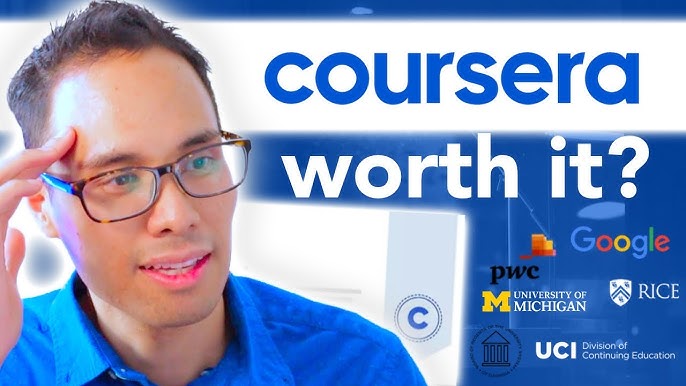
Final Verdict: Is Coursera Worth It?
YES — if used correctly
Coursera is:
- Not a magic shortcut
- But a powerful career tool
Key Insight
Skills + Projects + Certificate = Job Opportunity
Final Thought
Think of Coursera like a gym.
Paying alone won’t change your life
Using it consistently will
Now that you are actively building highly lucrative, hard technical skills on Coursera, you absolutely must learn how to survive the corporate interview process! Be sure to deeply read our highly popular career guide on [Why Coding Alone Won’t Get You Hired: 5 Soft Skills for Tech Majors in 2026] to ensure you secure the final job offer!