The Missing Variable: Why Soft Skills Are the Real Key to a 6-Figure Tech Career in 2026
Let’s start with a familiar—and frustrating—scenario.
You did everything right.
You earned a Computer Science degree with excellent grades. You mastered multiple programming languages. Your GitHub portfolio is filled with impressive projects. You walk into a job interview confident, solve the technical questions perfectly…
And still get rejected.
Why?
In 2026, this situation is more common than ever.
The harsh reality is this:
Technical skills are no longer enough.
They are expected. They are the baseline.
What truly separates successful candidates from the rest is something many developers ignore:
Soft skills
The Shift in the Tech Industry
The tech world has changed dramatically.
With tools like GitHub Copilot and Google Gemini, writing code has become faster and more accessible. Even junior developers can now generate high-quality code with AI assistance.
So, if everyone can code…
What makes you stand out?
The answer: your ability to communicate, adapt, collaborate, and think like a human—not just a machine.
1. Communication: The Most Underrated Skill in Tech
There’s a common myth that developers work alone in silence.
In reality, modern software development is highly collaborative.
You will constantly interact with:
- Product managers
- Designers
- Marketing teams
- Clients
Most of these people are not technical.
Why Communication Matters
Your job is not just to write code.
Your job is to explain ideas clearly
For example:
“There is a backend latency issue in the API.”
“We need a bit more time to make sure everything runs smoothly for users.”
Real-World Advantage
Developers who communicate clearly:
- Build trust
- Avoid misunderstandings
- Get promoted faster
Simple Practice
Try explaining your project to someone non-technical.
If they understand it easily—you’re on the right track.
2. Adaptability: The Skill That Future-Proofs Your Career
Technology evolves fast.
What’s popular today might be outdated tomorrow.
Frameworks change. Tools change. Entire systems change.
The Biggest Mistake
Many developers define themselves like this:
“I am a React developer”
“I am a Java developer”
This is risky.
The Better Mindset
Instead, think like this:
“I am a problem solver who uses tools to create solutions”
Why Adaptability Wins
Employers don’t just want skills.
They want people who can:
- Learn quickly
- Adjust to new tools
- Handle change confidently
3. Collaboration: Coding Is a Team Sport
In school, coding is often done alone.
In the real world, it’s completely different.
You work in teams, share code, and build systems together.
Tools That Reflect This
Platforms like GitHub are not just technical tools—they are communication platforms.
Key Collaboration Skills
Writing Clear Commit Messages
Instead of:
- “Fixed bug”
Write:
- “Fixed login issue by adjusting API timeout”
Handling Code Reviews
You need to:
- Give feedback respectfully
- Accept criticism professionally
Important Reminder
Your code is not your identity
Feedback improves the product—not attacks you.
4. Emotional Intelligence (EQ): The Hidden Superpower
Tech jobs can be stressful.
Deadlines, bugs, system failures—it all adds pressure.
What Happens Without EQ
Even highly skilled developers can fail if they:
- Get frustrated easily
- React negatively to feedback
- Create tension in teams
What High EQ Looks Like
Staying Calm Under Pressure
Instead of panicking, you think clearly.
Supporting Teammates
Helping others improves team success.
Managing Emotions
You don’t let frustration control your behavior.
Industry Reality
Top companies value attitude as much as skill.
A toxic genius is often rejected
A collaborative developer is preferred
5. Empathy: Building Technology for Humans
At the end of the day, software is not built for machines.
It’s built for people
Common Developer Mistake
“The code works, so the job is done.”
The Better Approach
Ask:
- Is this easy to use?
- Is it clear for beginners?
- Does it solve a real problem?
Why Empathy Matters
Developers with empathy:
- Build better products
- Improve user experience
- Reduce complaints
Real Impact
Empathy directly affects:
- Customer satisfaction
- Product success
- Business growth
The T-Shaped Professional Model
To succeed in tech, you need balance.
The Vertical Bar (Hard Skills)
Your technical expertise:
- Programming
- Systems design
- Problem solving
The Horizontal Bar (Soft Skills)
Your human skills:
- Communication
- Adaptability
- Teamwork
- Empathy
The Goal
Become a T-shaped professional
This combination is what companies truly value.
Hard Skills vs Soft Skills in 2026
| Skill Type | Importance |
|---|---|
| Coding | Required |
| Problem Solving | Required |
| Communication | Critical |
| Adaptability | Critical |
| Teamwork | Essential |
Why Soft Skills Lead to Higher Salaries
Soft skills directly impact your career growth.
They help you:
- Pass interviews
- Work effectively in teams
- Take leadership roles
- Build strong networks
The Reality
Many developers plateau in salary because they:
- Focus only on coding
- Ignore communication
- Avoid teamwork
The highest-paid professionals combine both skill sets.
Final Thoughts
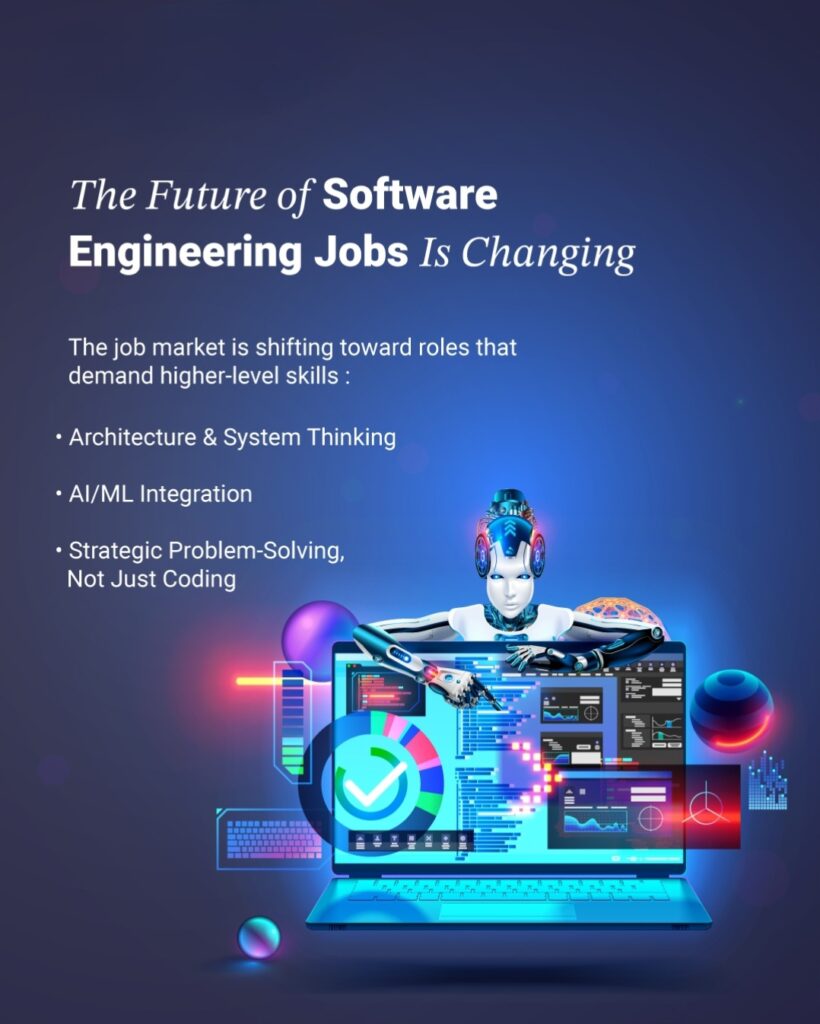
The tech industry in 2026 is no longer just about code.
AI tools are making coding easier.
But they cannot replace:
- Human communication
- Emotional intelligence
- Creativity
- Empathy
The Bottom Line
Hard skills get your foot in the door
Soft skills decide how far you go
If you want a successful tech career:
- Keep improving your coding
- But invest equally in your people skills
Final Advice
Start today:
- Explain your projects clearly
- Work with others
- Practice patience and communication
- Focus on real-world impact